Anna Zimm
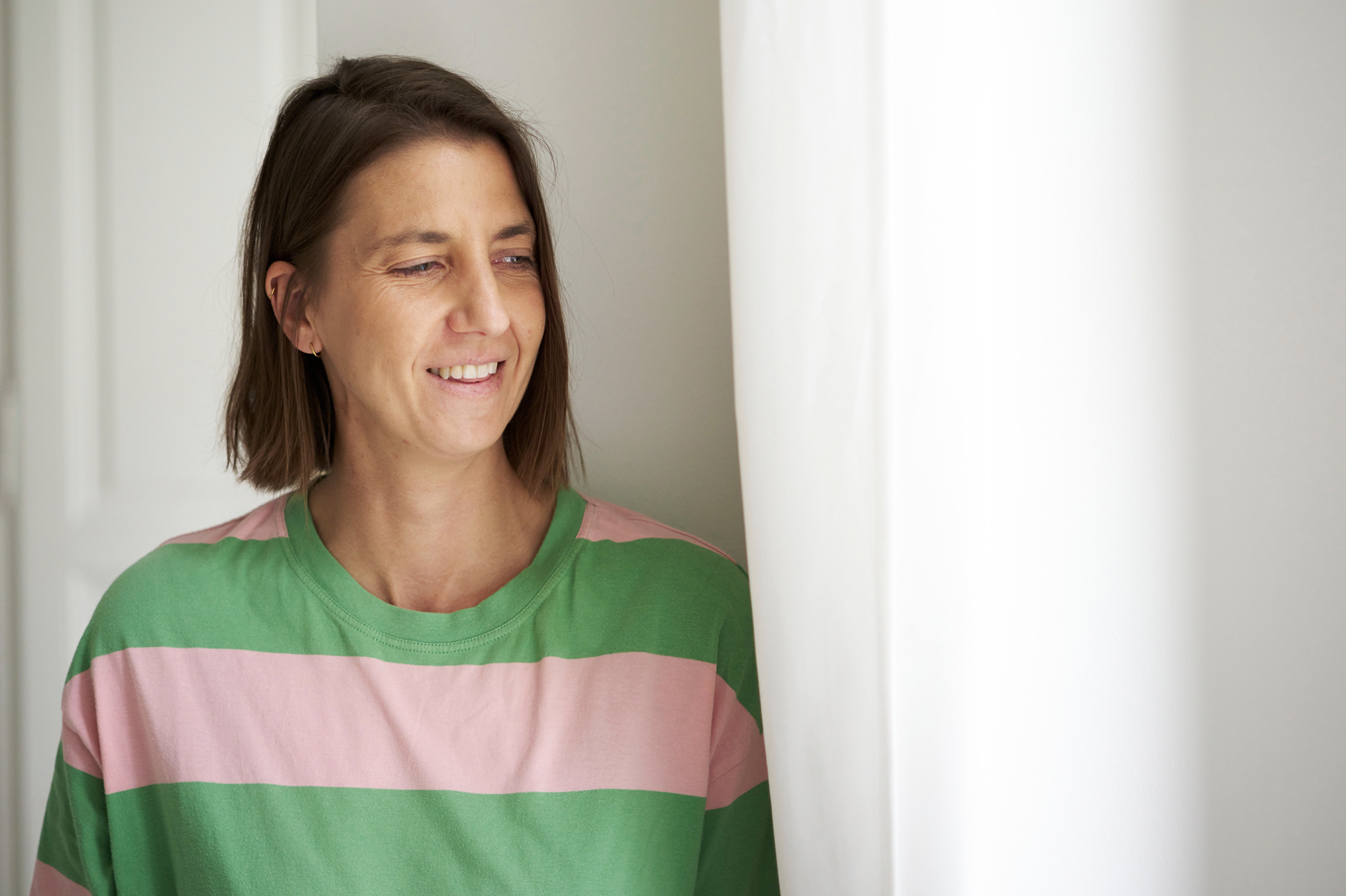
Hi, I’m Anna, a Vintage furniture enthusiast, rope weaver & art historian, obsessed with colours and patterns, based in Vienna.
Ever wondered what inspires my work?
Melanie from wienerwohnsinn.at asked some thoughtful questions about my process and inspirations — here are a few insights I shared.
Anna, your CORDA Chairs immediately catch the eye — colourful, playful and elegant at the same time. I would like to learn a little more about them. How did you come up with the idea of working with ropes and chairs — what was the spark that ignited this concept?
I actually come from a completely different field, having worked with photographs in the art and auction sector for 18 years. After a short break, I came across the Instagram profile of an Italian designer who also works with rope and weaving. On the spur of the moment, I travelled to Bergamo for a workshop. After that, I became completely immersed in weaving and working with rope. At the time, I didn’t know where the journey would take me. The armchairs were so well received by my friends and family that I decided to take a risk and go ‘public’ with them.
Colours play a big role in your work — sometimes they appear bold, sometimes delicate and understated. I’m interested in how you approach this. How important is colour selection to you — how do you find the balance between functional design and aesthetic appeal?
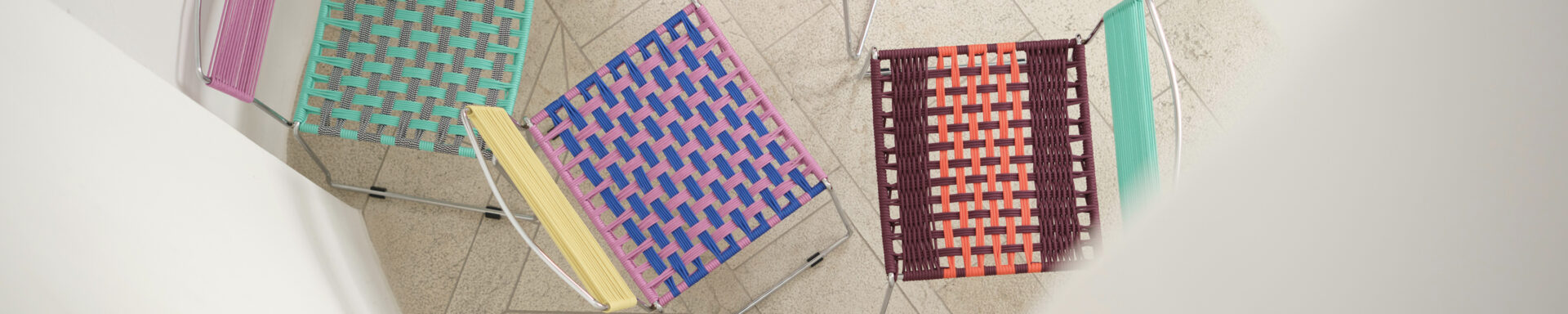
When it comes to colours, I actually have a very intuitive approach. I’ve always liked bold colours in interior design. I live with colours on my walls myself. I love homes that are colourful or that have specific colour accents here and there. Perhaps it’s also a kind of inner reflex to cope with gloomy times. I never wanted my CORDA Chairs to have a minimalist and reduced look. And funnily enough, they still fit into any home. Since the vintage frames are timeless and simple, the overall impression is still elegant and not overloaded. I also work with colour combinations that are more pastel and subtler.
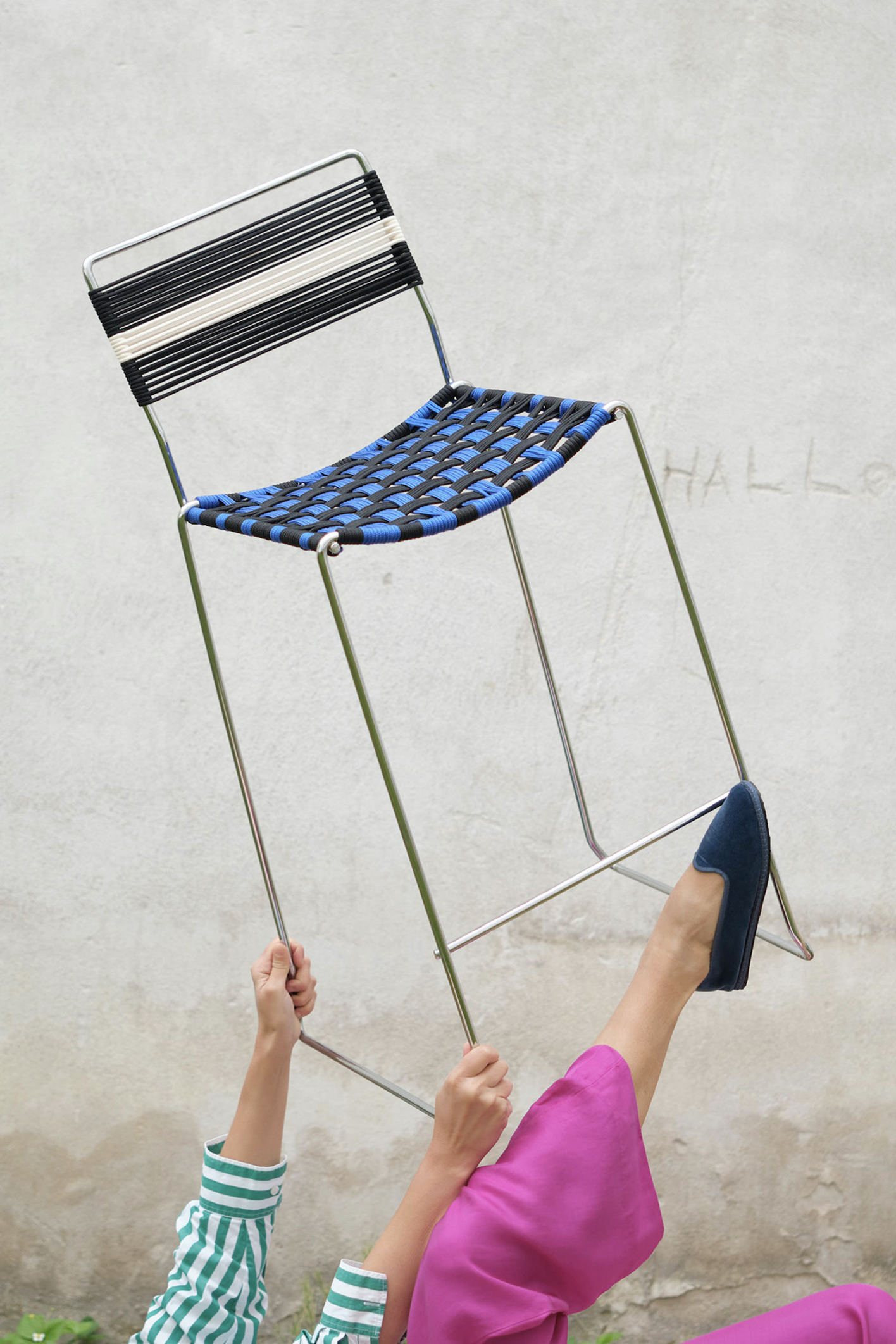
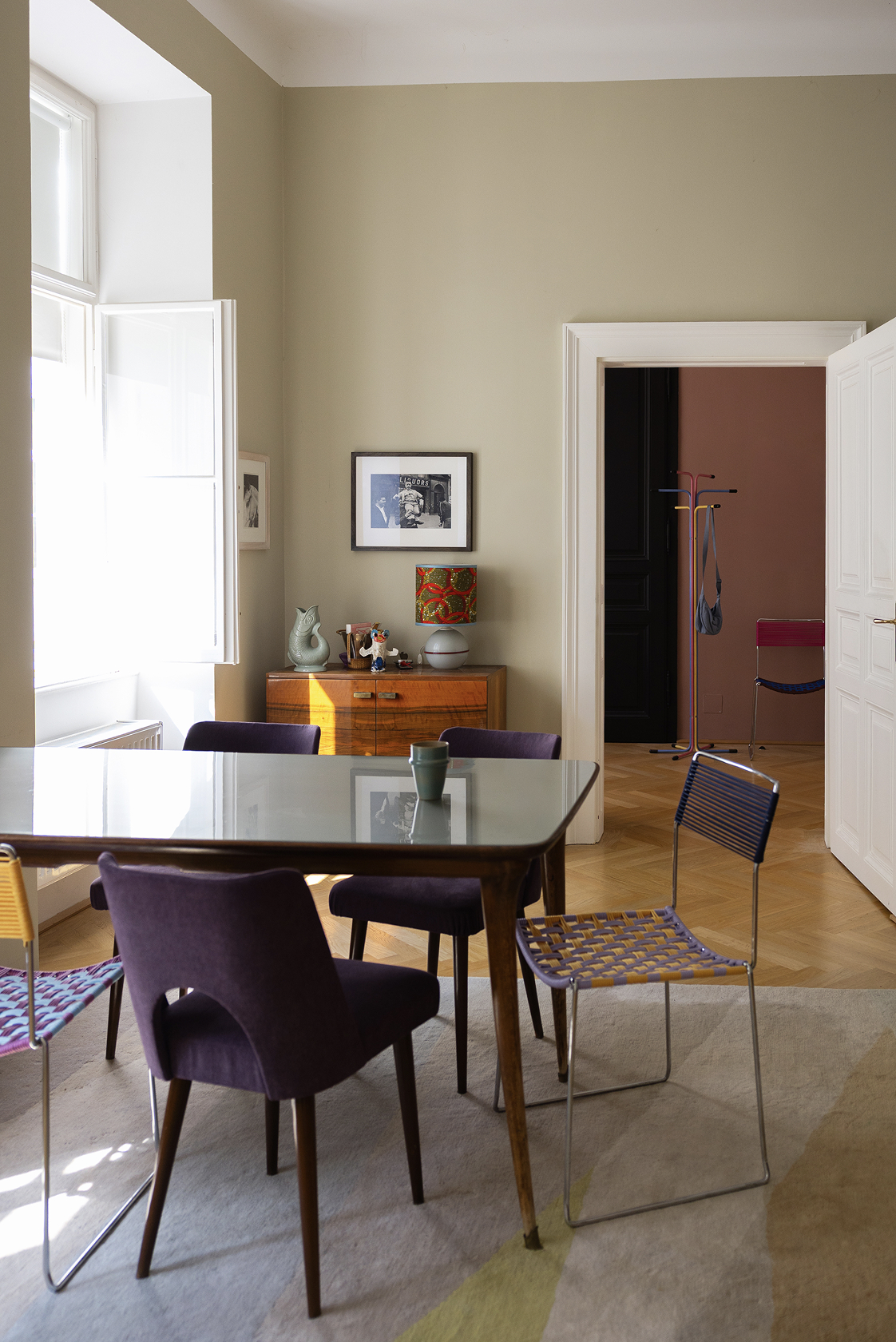
Your creative process sounds really exciting — maybe you could tell us a little bit about it? What does your creative process look like — from the first sketch to the finished chair?
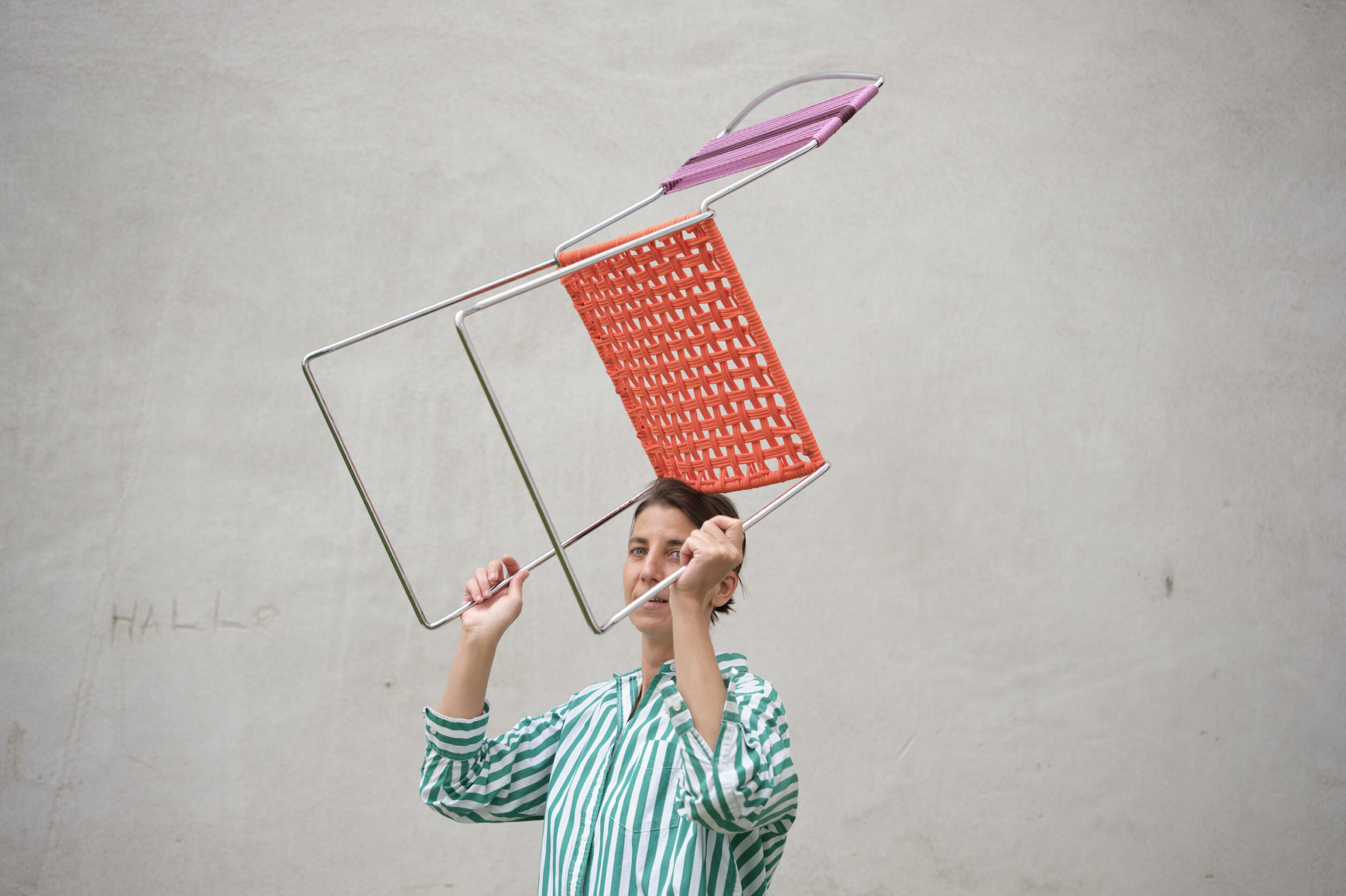
Since the frames are mostly similar or very simple, it’s mainly about the colour combinations. I usually work with colour blocking on the seat and a third colour on the backrest. For example, I like to combine Yves Klein blue with orange or fuchsia with a bold grass green. I find it most difficult to design the chair in such a way that the third colour ‘makes sense’. In my opinion, this is always the decisive moment in the process. Overall, I am someone who works very intuitively, which of course sometimes leads to difficulties. For example, I should have started calculating the number of metres of rope I need long before I start weaving. That would have saved me a lot of hassle.
Many of your chairs are unique, individually tailored to customers. That sounds like fun, but it must also be challenging. You often fulfil individual requests. What challenges do such unique pieces bring with them, and how do you overcome them?
I must say, I am often really surprised by the requests I receive from customers. Sometimes they are colour combinations that I would never have thought of in a million years. But in the end, it always results in a beautiful armchair. I have never made a chair that I didn’t stand behind. In very few cases do I intervene and make a counter-proposal. Most of my customers buy three or four of my armchairs and mix them up wildly in terms of colour, which is basically my principle too. Mix and match. I also enjoy restoring armchairs for customers. I have reupholstered Thonet cantilever chairs, 1950s garden armchairs and even children’s armchairs. Such unique pieces are always exciting, of course, because you never know in advance what the end result will look like, and there can be exciting stylistic breaks, which I personally like very much.
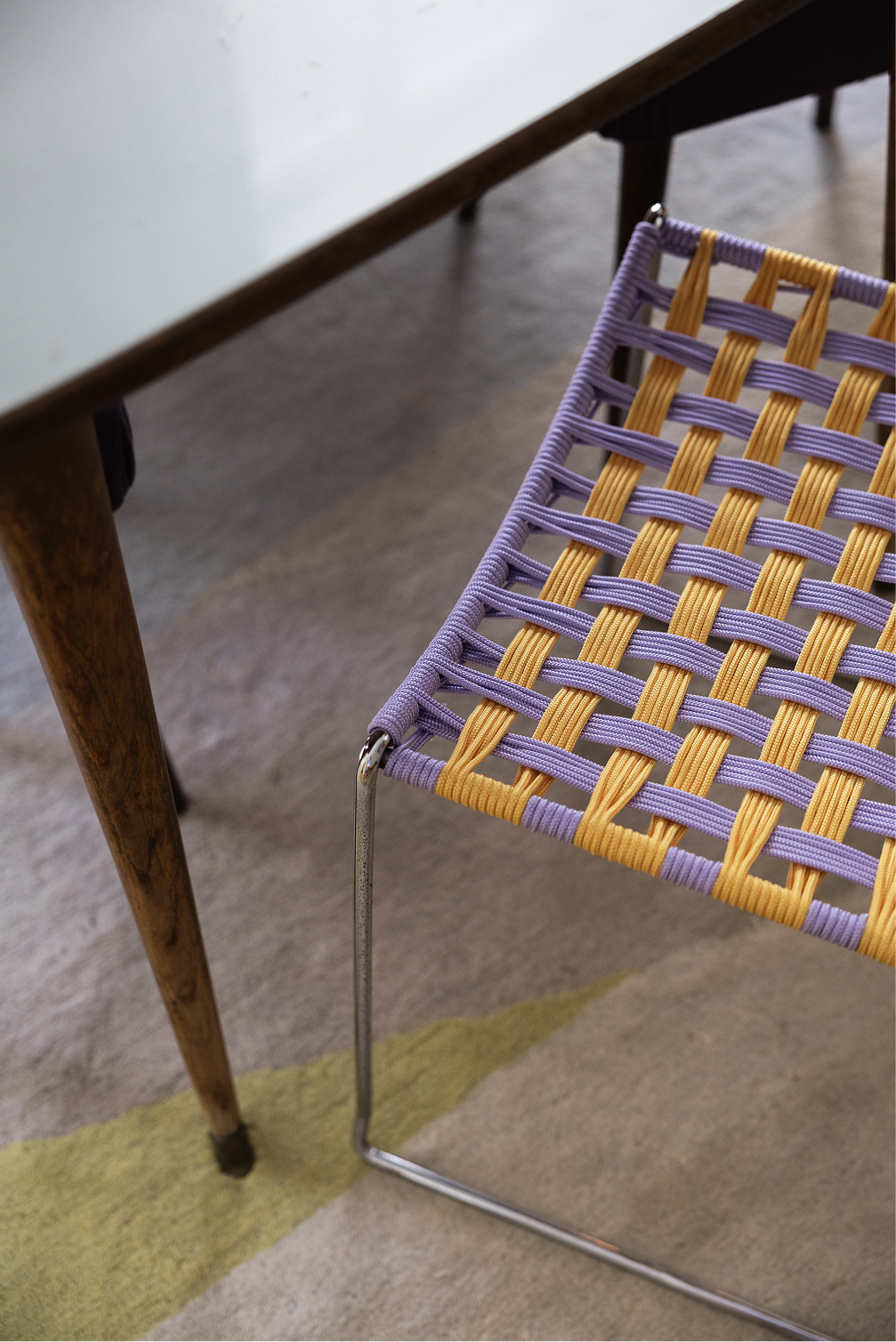
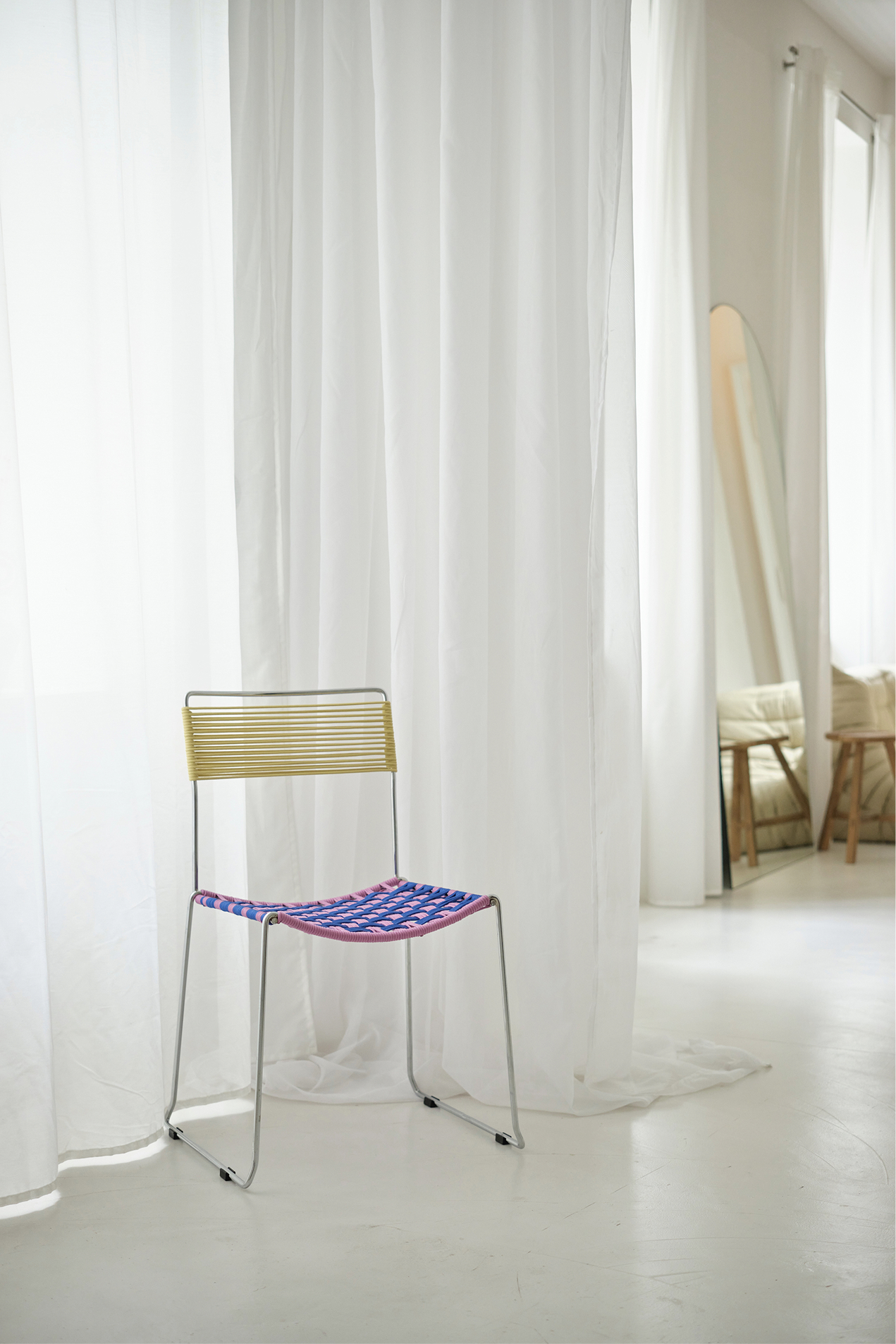
I assume that the choice of materials is also a central issue — especially for a piece of furniture that is supposed to last a long time.
What materials do you use — for the cords, for the frame — and what do you pay particular attention to (sustainability, durability, feel, etc.)?
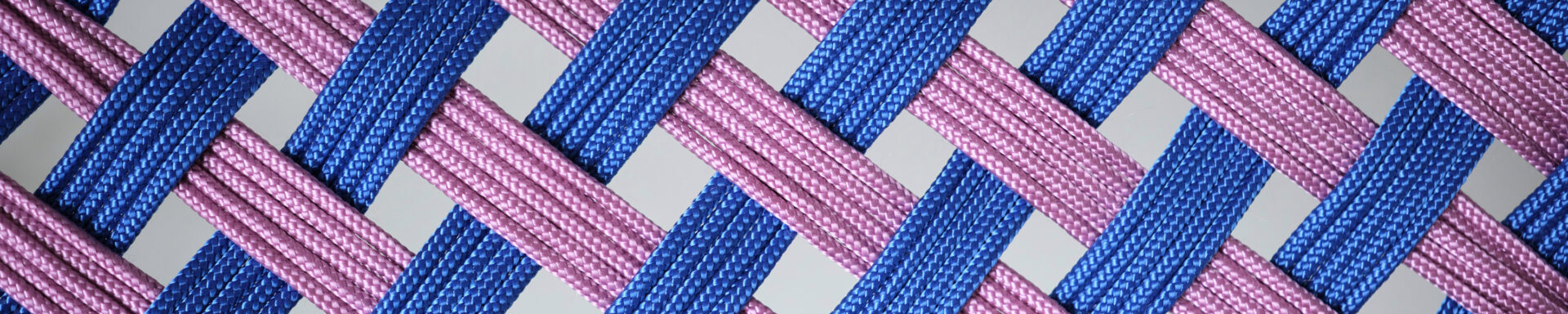
The Vintage frames are almost exclusively from the 1980s and 1990s by Giandomenico Belotti. These so-called spaghetti chairs often have torn rubber cords or brittle leather upholstery, and I buy these chairs that need restoration on the secondary market. So my CORDA Chairs are sustainable. The ropes are made of polypropylene and are durable. Some of them are made from recycled material. I buy them in Germany or the Netherlands, not in China, even though they would be cheaper there. I am also always honest and transparent about what to expect when using the chairs. My chairs are certainly not intended as office chairs or everyday chairs although they are very comfortable.
Your designs appear timeless, but naturally you also operate within the realm of trends and currents. How do you deal with that?
How do trends or interior design styles influence your design — do you consciously decide against fashion trends or do you let yourself be guided by them?
My advantage is that I don’t come from the world of design and interiors. I am completely immune to trends because I don’t know them at all, or perhaps only have a vague idea of them. My aim with all my pieces is that they should be appealing and timeless. The armchairs fit just as well next to a Biedermeier sideboard as they do next to a Memphis table or a simple wooden table from Ikea. That’s what I mean by timeless: they have character without being too obtrusive. And in my experience, pieces like these last the longest in homes.
And finally: what should people actually feel when they sit on one of your chairs or look at it? What do you want people to feel or experience when they see or use your chair?
As banal as it sounds, I want my chairs to bring joy. I myself enjoy having my CORDA Chairs around me and looking at them. If other people feel the same way, then I’ve done everything right